 Skip to content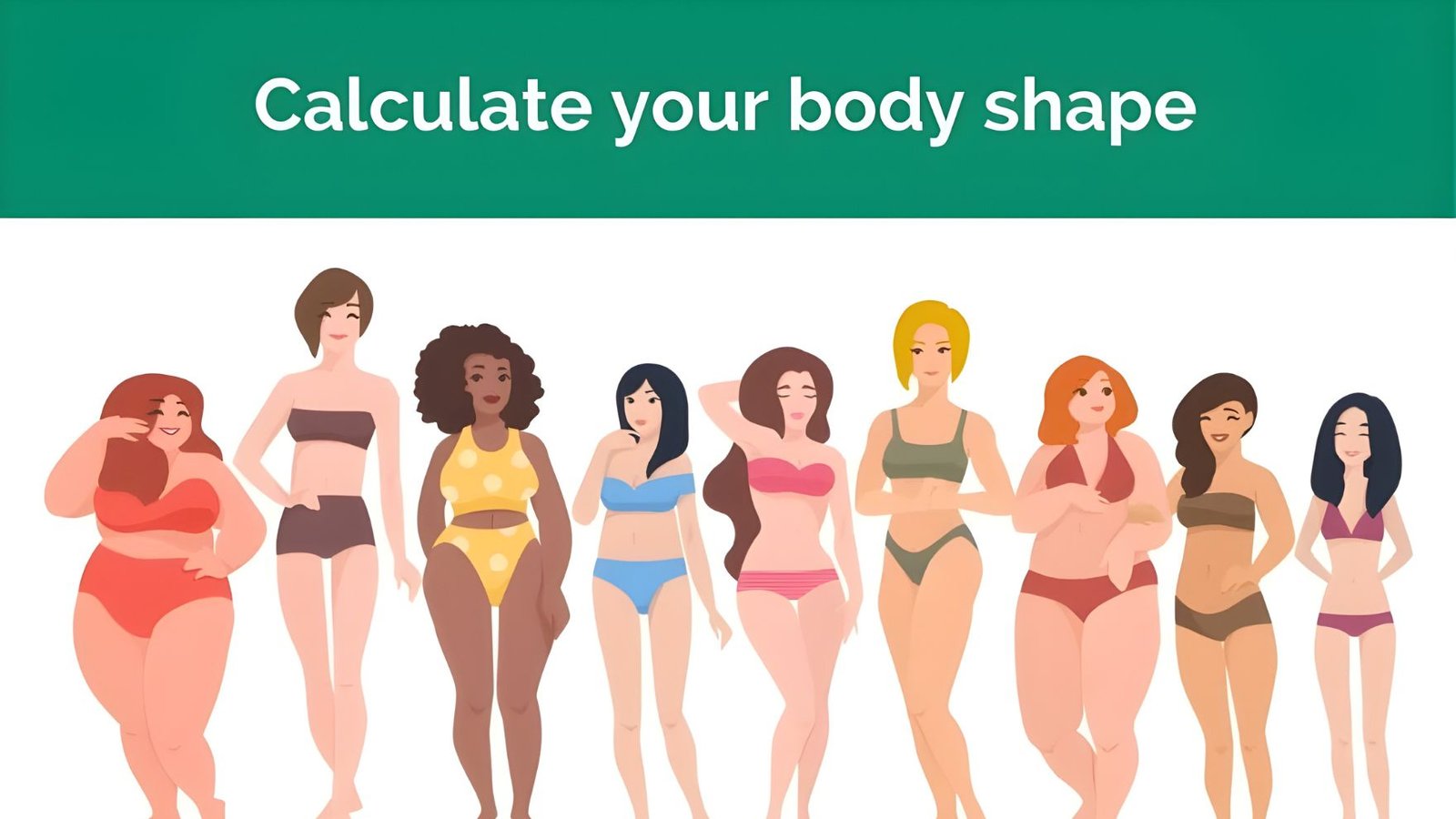
Use our Body Shape Calculator to determine your body type based on your shoulders, bust, waist, and hips measurements. Understanding your body shape can help you choose better clothing styles, optimize workouts, and even assess certain health risk factors.
Simply enter your measurements in inches below to calculate your result.
How to Find Your Body Shape
Every individual has a unique genetic makeup that influences how fat is distributed throughout the body. While body shape discussions are often linked to appearance, the more important aspect is health awareness and lifestyle optimization.
Knowing your body type can help you:
- Choose effective workout strategies
- Tailor your diet for better fat distribution
- Understand potential health risks
- Select clothing that enhances comfort and confidence
Body shape classification is commonly determined by comparing body measurements and calculating the waist-to-hip ratio (WHR). In some cases, Body Mass Index (BMI) may also be considered when evaluating health risks.
If you are specifically looking to calculate metabolic mass, consider using a Body Surface Area (BSA) calculator instead.
How to Measure Your Body Type
To determine your body shape accurately, you’ll need four main measurements:
- Shoulders
- Bust
- Waist
- Hips
Use a soft measuring tape and ensure it stays parallel to the floor for accuracy.
Shoulders
Start at the tip of one shoulder and wrap the measuring tape around your upper body to the other shoulder. Keep the tape high and snug (but not tight). You may need assistance.
Bust
Measure around the fullest part of your bust. Make sure you can breathe comfortably while measuring.
Waist
Measure at the narrowest part of your waist, typically just above the navel.
Hips
Stand straight and measure around the widest part of your hips as seen from the side.
Once you have these measurements, compare their ratios to determine your body shape category.

Results: Your Body Shape
–
Waist-Hip Ratio: –
What Is Your Body Shape?
Most individuals fall into one of five main body shapes. Keep in mind that these are general classifications — no one fits perfectly into a single shape.
Inverted Triangle
Characterized by broader shoulders or a fuller chest compared to hips.
Common traits:
- Broad upper body
- Narrower hips
- Weight carried in upper torso
Health & Fitness Insight:
Strength training for the lower body and balanced nutrition can help maintain proportional muscle development.
Rectangle (Straight Body Shape)
Also called the “ruler” shape.
Common traits:
- Shoulders, waist, and hips similar in width
- Weight distributed proportionally
- Less defined waist
According to the Cleveland Clinic, individuals with smaller skeletal frames may have a higher predisposition to osteoporosis, making weight-bearing exercises especially beneficial.
Apple (Round Shape)
Characterized by a larger waist measurement compared to hips and bust.
Common traits:
- Fat concentrated in midsection
- Higher abdominal fat storage
The Centers for Disease Control and Prevention (CDC) notes that women with a waist measurement of 35 inches or more, and men with 40 inches or more, may face increased obesity-related risks.
Abdominal (visceral) fat is strongly associated with:
- Type 2 diabetes
- Cardiovascular disease
- Metabolic syndrome
Lifestyle focus: Prioritize whole-food nutrition and regular cardiovascular activity.
Pear (Triangle Shape)
Characterized by wider hips and thighs compared to shoulders and bust.
Common traits:
- Lower body fat distribution
- Defined waist
Research suggests that fat stored in hips and thighs may pose lower cardiovascular risk compared to abdominal fat. However, maintaining a healthy overall weight remains essential.
Hourglass
Balanced bust and hip measurements with a defined waist.
Common traits:
- Even fat distribution
- Proportionate upper and lower body
Although weight may be evenly distributed, health risks can still increase if BMI is elevated. Even individuals with hourglass figures should monitor body composition and maintain an active lifestyle.
What Your Body Type Might Reveal About Your Health
Your body type provides insight into how your body stores fat, particularly visceral fat, which surrounds internal organs.
High visceral fat levels are associated with:
- Elevated cardiovascular risk factors
- Insulin resistance
- Chronic inflammation
- Increased risk of metabolic disorders
Your waist-to-hip ratio is one of the strongest indicators of abdominal fat distribution and long-term health risk.
However, it’s important to remember:
✔ No body shape is “better” than another
✔ All body types can be healthy
✔ Overall weight management matters more than shape
The key is maintaining a healthy weight, balanced nutrition, and consistent physical activity.
Final Thoughts
Understanding your body shape is not about comparison — it’s about self-awareness and health optimization.
By knowing your measurements and distribution patterns, you can:
- Customize your fitness plan
- Improve posture and muscle balance
- Choose flattering clothing
- Reduce long-term health risks
If you are concerned about your weight, waist circumference, or health risk factors, consult a qualified healthcare professional for personalized guidance.